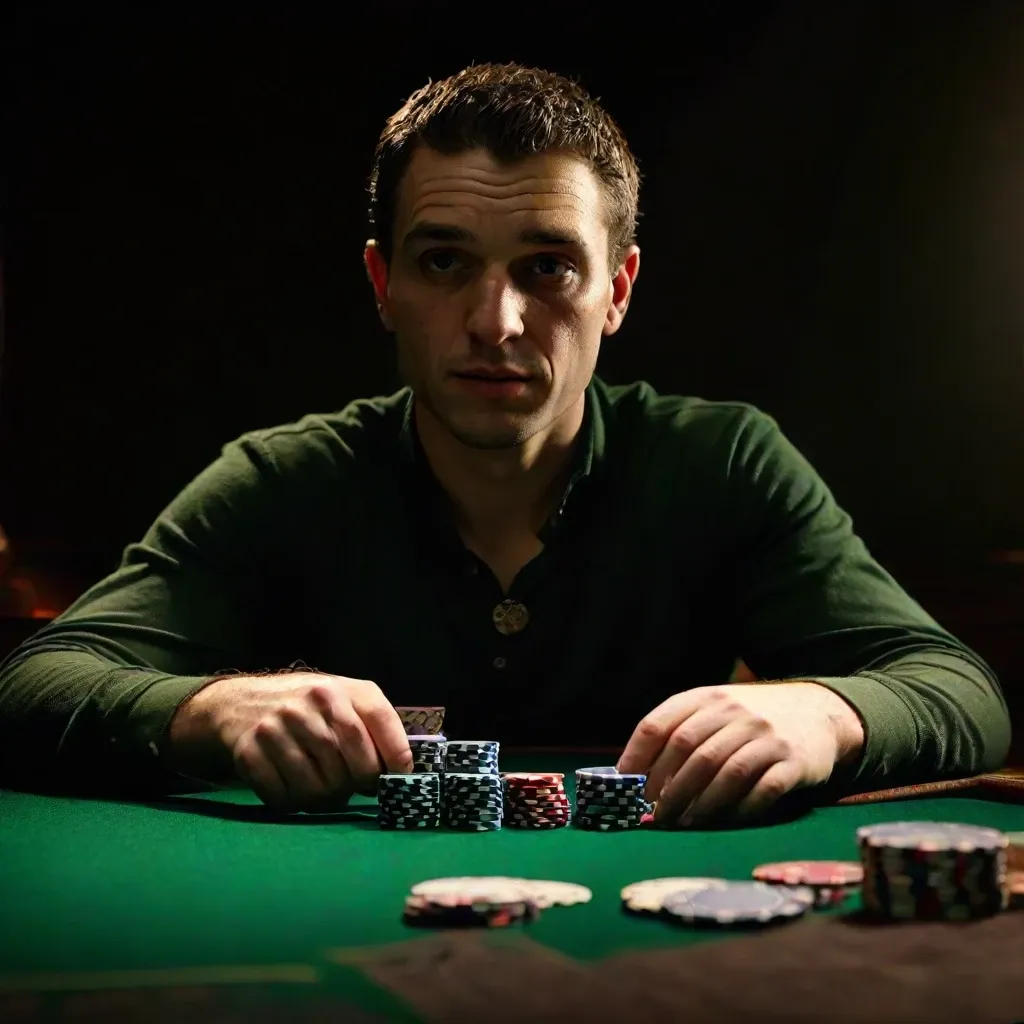
Poker. The very word conjures images of smoky backrooms, daring bluffs, and nail-biting showdowns. Many view it as a game of chance, a thrilling gamble dictated by the capricious whims of Lady Luck. However, seasoned players and industry experts understand a truth often obscured by the glitz and glamour: poker, at its core, is a demanding game of skill.
Consider the countless stories of poker legends, individuals who have consistently risen to the top, not through fortunate draws, but through meticulous planning, calculated risk assessment, and a profound understanding of the game’s intricate dynamics. World Series of Poker champions don’t win on luck alone; they win because they’ve honed their skills through relentless study and countless hours at the table.
As someone deeply immersed in the world of poker, I’ve witnessed firsthand the triumph of skill over chance. This isn’t to say luck plays no role—it certainly does in the short term. But over the long haul, the players who consistently apply sound strategy, master the underlying math, and exploit the psychological nuances of their opponents are the ones who consistently come out on top. This article will dive into these core components of poker, and demonstrate why, beyond the occasional lucky river card, poker is definitively a game of skill.
Defining Skill and Luck in Poker
In the thrilling world of poker, the eternal debate rages: skill versus luck. To truly understand the game, it’s crucial to define these two fundamental elements.
Skill in Poker: Skill in poker is about making informed decisions based on the information available. It’s the ability to analyze your opponents, understand betting patterns, calculate pot odds, and manage your bankroll effectively. A skilled player consistently makes mathematically sound choices, maximizing their chances of winning in the long run. For instance, a skilled player understands when to fold a strong hand because they recognize the implied odds of continuing. They know when to bluff, when to value bet, and how to adapt their strategy based on their opponents’ weaknesses.
Luck in Poker: Luck, on the other hand, is the unpredictable element. It’s the random distribution of cards, the unexpected river card that completes a drawing hand, or the fortunate timing of a bluff. Getting dealt pocket aces is pure luck. Hitting a miracle card on the river is luck. These moments of chance can dramatically alter the outcome of a single hand, but they don’t define a player’s overall success.
While luck undeniably influences short-term results, it’s skill that separates consistent winners from those who rely solely on chance. In my experience, poker is a game where luck can provide temporary advantages, but skill is the bedrock upon which lasting success is built. Mastering the intricacies of the game, understanding probabilities, and developing strong strategic thinking are the keys to thriving in the long run.
The Mathematics of Poker
Poker isn’t just about bluffing and reading tells; at its core, it’s a game of applied mathematics. Understanding fundamental concepts like probability, pot odds, expected value (EV), and implied odds is crucial for making informed decisions and maximizing your chances of winning. Mastery of these concepts separates casual players from consistent winners.
Probability dictates the likelihood of specific events occurring, such as completing a draw or being dealt a particular hand. Pot odds represent the ratio of the current bet to the total size of the pot, influencing whether a call is mathematically sound. Expected value (EV) quantifies the average outcome of a decision, considering both potential gains and losses. Implied odds extend this concept by factoring in future betting rounds, estimating potential winnings beyond the current pot size.
These aren’t abstract theories; they’re practical tools used every hand. For example, calculating pot odds involves comparing the cost of a call to the potential reward. If the pot offers odds greater than the probability of hitting your draw, it’s often a profitable call in the long run. Similarly, consistently making decisions with a positive expected value (+EV) ensures long-term profitability, even if individual hands result in losses. My experience plays a big role when thinking about the value of the pot.
Calculating Probabilities
Mastering poker probability begins with understanding how to calculate odds and outs. “Outs” are the cards that can improve your hand. The basic formula for estimating the probability of hitting your draw on the next card is: (Number of Outs / Number of Unknown Cards) x 100. While a poker odds calculator can speed calculations, the best players internalize these calculations, making them second nature.
Probability isn’t static; it evolves dynamically throughout the hand. Consider you hold two hearts, and the flop brings two more hearts. You have a flush draw with nine outs. If you are really experienced, you will know that the probability of hitting your flush on the turn is approximately 35%. This knowledge empowers you to assess pot odds and make informed decisions about calling, raising, or folding.
Understanding Expected Value (EV)
Expected value (EV) represents the average outcome of a decision if you were to repeat it many times. A +EV decision indicates that, on average, you’ll profit in the long run, while a -EV decision suggests a likely loss. For instance, imagine you’re facing an all-in bet with a hand that has a 50% chance of winning. The pot offers odds that are significantly bigger than you investment. This means that you will have long term profit. Consistently choosing +EV scenarios is the cornerstone of profitable poker.

Strategic Decision-Making
In poker, luck can only take one so far; a solid poker strategy is what separates the winners from the losers in the long run. Key strategic elements include bluffing, reading opponents, positional play, bet sizing, and understanding game theory optimal (GTO) strategies. For example, consider bluffing: it’s not just about randomly betting big with a weak hand. A well-timed bluff considers the board texture, your opponent’s tendencies, and your perceived image at the table.
Imagine you’re playing a cash game, and you’ve been playing tight for a couple of hours. You are holding 7♠ 8♠ on a board of of 9♠ T♥ 2♦. You know your opponent is aggressive and likely to bet when checked to. By check-raising all-in, you can represent a very strong hand with a flush or a straight, inducing them to fold even if they hold a decent hand. This strategic bluff, carefully planned and executed, demonstrates the power of thinking beyond the cards.
Bet sizing is another crucial element. It’s not just about betting an amount that feels right; it’s about using bet sizes to extract maximum value when one has a strong hand, or to control the pot size when one is unsure. Also, understanding GTO strategies provides a baseline for making unexploitable decisions, but be sure to adapt it based on the opponents. Good strategies provide a framework for making calculated decisions, turning potential lucky breaks into consistent wins.
Exploiting Opponent Tendencies
The ability to identify and exploit weaknesses in opponents’ strategies is a hallmark of a skilled poker player. This involves recognizing playing styles such as loose-passive, tight-aggressive, or overly aggressive. For instance, imagine playing against a player who consistently folds to aggression. This is your chance to raise their bets relentlessly when they show weakness, forcing them to fold even with a decent hand. Recognizing and capitalizing on these tendencies is key to increasing your win rate.
I once played against a player known for making huge bets to steal. So I decided to play along and make him feel safe. When I had a very strong hand, I lured him to bet more and I took all his chips. This is all about adjusting your poker game.
The Power of Position
Position in poker refers to the order in which players act relative to the dealer button. Playing in late position, closer to the button, offers a significant advantage. This is because you have more information about what your opponents have done before you must act. You can see if they checked, bet, and how much, giving you valuable insights into the strength of their hands. For instance, being in late position allows you to control the size of the pot more effectively, bet for value when strong, or bluff with a higher chance of success.
One time I was in late position with a marginal hand, but after seeing several players check before me, I was able to steal the pot with a well-timed bet, simply because I had the last action and represented strength.
Psychology of Poker
Poker isn’t just about calculating odds and reading hands; it’s a battle waged in the mind as much as on the felt. Emotional intelligence and masterful mind management are cornerstones of success for any serious player. The ability to recognize, understand, and control one’s emotions, as well as to effectively read and respond to the emotions of others, separates the sharks from the fish.
One of the biggest leaks in a poker player’s game is “tilt.” Tilt is an emotional state of confusion or frustration in which a poker player adopts a less than optimal strategy, usually resulting in them becoming over-aggressive. Imagine a player losing a big pot with pocket aces, only to then start making reckless bluffs and chasing bad draws out of anger. That’s tilt in action, and it can quickly decimate a bankroll. Effective tilt control involves recognizing the early warning signs – increased heart rate, agitation, negative self-talk – and employing techniques to calm down. This might mean taking a break, practicing deep breathing, or simply reminding yourself that short-term losses are inevitable in the long run.
Beyond tilt, anger management is another crucial skill. A cool and collected player makes better decisions than one consumed by rage. Developing a resilient mindset is key. This can involve techniques like positive visualization, focusing on the process rather than the outcome, and accepting variance as part of the game. Cultivating a growth mindset – believing that your abilities can be developed through dedication and hard work – is more helpfull in navigating the inevitable ups and downs of a poker career.
Then there is also the whole human factor and different personalities. Because poker brings all kinds of people together and therefore you are bound to clash with all kinds of personalities. There are super aggressive players who try to bully and bluff their way to every pot. There are passive players who rarely bet or raise. Some players are chatty and try to get info out of you while others give you the silent treatment and look at you like they know what cards you have. Every player acts differently and if you can pick up on these things you can adjust your strategy to counter your opponent.
Variance and Sample Size: Taming the Poker Beast
Poker, at its heart, is a game of skill, but it’s also a battlefield where variance – that fickle mistress of chance – holds considerable sway. Variance, in poker terms, refers to the inevitable swings of fortune that occur in the short term. Sometimes the cards fall your way, and sometimes they absolutely do not, regardless of how skillfully you play. It’s the reason why even the best players experience losing streaks and why less-skilled players occasionally enjoy periods of improbable wins.
Imagine flipping a coin. You know the odds are 50/50 in the long run. However, if you flip it ten times, you might get seven heads and three tails. That’s variance in action. Poker is infinitely more complex than a coin flip, but the principle remains the same. In the short term – a single session, a day, or even a week – luck can be a dominant factor. This is ‘Short Term Poker ‘where anything can happen.
To truly evaluate your poker prowess and minimize the impact of variance, you need to focus on the ‘Long Term Poker’. This involves playing a substantial ‘sample size poker’ of hands or tournaments. The larger the sample size, the more the influence of luck diminishes, and the more your true skill level shines through. Think of it like averaging a large set of numbers; the more numbers you include, the closer the average gets to the true value.
During one stretch, I felt like I could not win a hand, no matter what I did I always lost. To overcome I kept following the fundamentals and playing my A-game.
One crucial tool for navigating the turbulent waters of variance is ‘bankroll management’. This means having enough money set aside specifically for poker to withstand the inevitable downswings without being forced to play scared or move down in stakes. Treat your poker bankroll like a business investment, and manage it with discipline and foresight. Proper bankroll management is like a shield, deflecting the blows of short-term misfortune and allowing your skill to ultimately prevail.
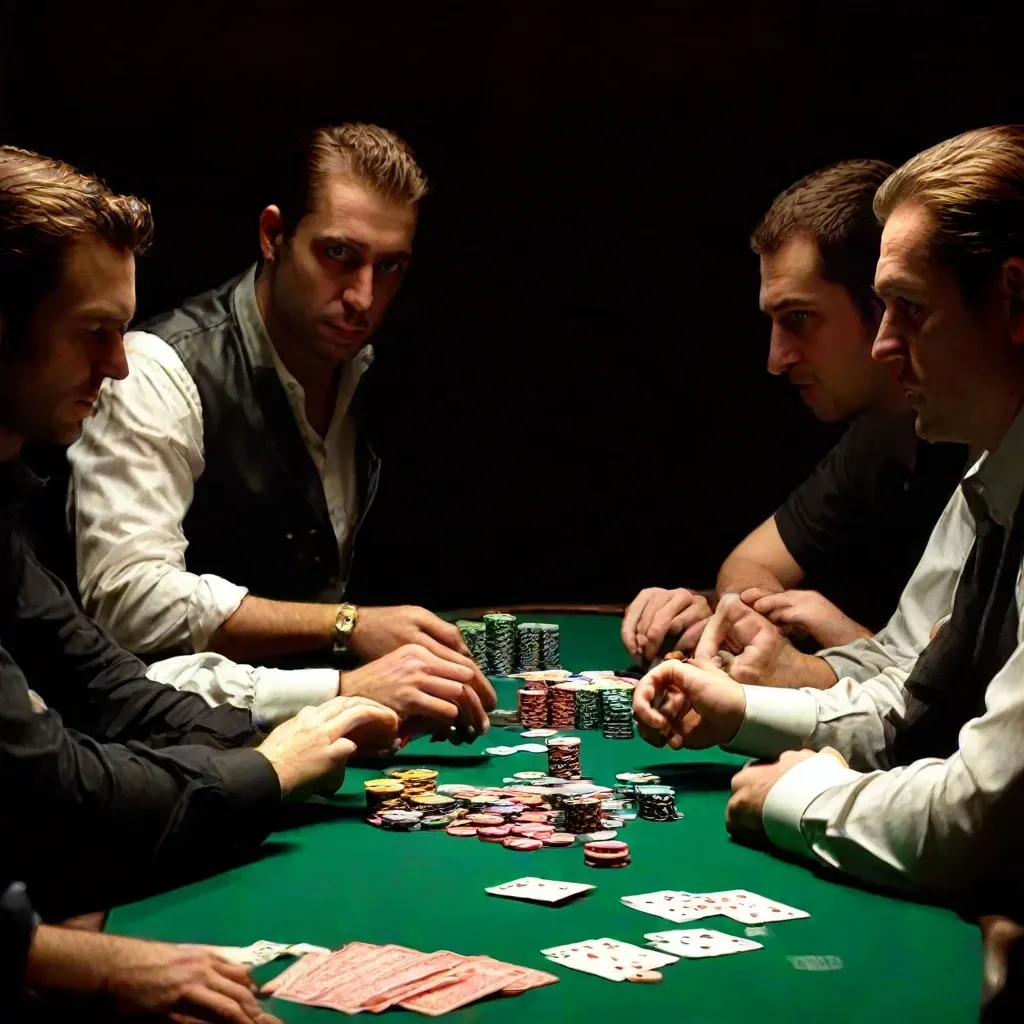
Expert Examples and Case Studies
The world of poker, often perceived as a game of chance, is in reality a battleground of intellect, strategy, and calculated risk. Examining the careers of professional poker players reveals compelling evidence that skill, not luck, is the dominant force behind long-term success. These aren’t just lucky streaks; they are testaments to honed abilities and a deep understanding of the game’s intricacies.
Consider the approach of players who master mathematical probabilities. They meticulously calculate pot odds, implied odds, and expected value in every hand, making decisions that are statistically advantageous. This analytical prowess transforms the game from a gamble into a science. They are not guessing; they are solving equations.
Then there are those who have refined their ability to read opponents, turning subtle tells and behavioral patterns into actionable intelligence. A twitch of an eye, a slight hesitation, or a change in breathing can reveal the strength of their hand or the intent of their bluff. This psychological edge allows them to extract maximum value from strong hands and avoid costly mistakes against weaker ones.
These professional poker players consistently outperform their opponents not because they are luckier, but because they are more skilled. Their success stories serve as compelling case studies, illustrating the power of strategy, discipline, and a relentless pursuit of improvement in the world of poker.
Debunking Common Myths
Poker is a game rife with misconceptions, and perhaps the most pervasive revolves around the role of luck. Many believe that poker is simply a game of chance, where anyone can win with a lucky hand. The truth is far more nuanced. While luck undoubtedly plays a part in any individual hand, it’s skill that dictates long-term success. Let’s debunk some common poker myths.
One prevalent poker fallacy is the idea that “anyone can win with luck.” While it’s true that a weaker player might occasionally win against a skilled opponent due to a fortunate draw, this is a short-sighted view. Over the long run, the skilled player will consistently outperform the less skilled one. This is because skill encompasses factors like understanding probabilities, reading opponents, managing bankrolls, and making calculated decisions.
People often overestimate the impact of luck in poker because they tend to remember the instances where luck played a significant role – the unexpected bad beat or the improbable river card. These moments are memorable and create a sense of randomness. However, they overshadow the countless situations where skillful play led to a profitable outcome. In reality, luck is a short-term factor, while skill is the driving force behind sustained success in poker. Skill overcomes luck.
Conclusion
In summary, while chance undeniably plays a role in any single hand of poker, the long-term results consistently demonstrate that skill is the dominant factor. Mastering poker involves a deep understanding of game theory, psychology, bankroll management, and continuous adaptation to opponents. Embracing the challenge of learning and refining these skills is the surest path to consistent winnings and long-term success at the poker table.
To continue your journey towards becoming a more skilled poker player, explore resources such as advanced poker strategy guides, online training courses, and poker software tools. Practice diligently, analyze your gameplay, and never stop learning. Thank you for reading, and good luck mastering the game!