
Remember the days when mobile gaming was synonymous with pixelated graphics and simplistic gameplay? Many of us, seasoned gamers, scoffed at the notion that a phone could ever replicate the immersive experience of a desktop setup. We clung to our powerful PCs, dismissing mobile as a mere novelty. How wrong we were.
Fast forward to today, and mobile gaming has exploded into a multi-billion dollar industry, with titles boasting console-quality graphics and complex mechanics. Among the most popular genres making the leap to mobile are slots, those colorful and engaging games of chance that once seemed confined to the realm of casinos and desktop computers. But the question remains: are mobile slots truly as good as their desktop counterparts? Does shrinking the experience down to a handheld device compromise the gameplay, the graphics, or the overall enjoyment?
This article isn’t about declaring a definitive winner in the battle of mobile versus desktop slots. Instead, it’s a journey exploring the nuances of each platform, dissecting the user experience, and highlighting the strengths and weaknesses inherent in both. The goal is to provide a balanced perspective, allowing players to make informed decisions about where they choose to spin the reels.
So, let’s delve into the world of online slots and examine how the gaming experience differs between your desktop and the palm of your hand. From graphics and sound to usability and accessibility, get ready for a detailed comparison that might just change how you play forever.
Accessibility and Availability: Your Game, Your Way
The beauty of online gaming in the modern era lies in its accessibility. Whether you’re relaxing at home or on the go, countless gaming experiences are available right at your fingertips. The choice between playing on a mobile device or a desktop computer often boils down to personal preference and the specific game’s requirements. Mobile gaming offers unparalleled convenience, allowing you to dive into your favorite games during commutes, lunch breaks, or any spare moment. Desktop computers, on the other hand, typically provide more processing power and a larger screen, enhancing the visual experience and enabling more complex gameplay. Each platform brings its own set of advantages, catering to diverse gaming styles and needs.
However, this widespread availability is not without its limitations. Some games might demand a high-speed internet connection for smooth, lag-free gameplay, potentially excluding players in areas with unreliable internet access. Other games might be exclusive to certain platforms, restricting your choices based on the devices you own. Understanding these limitations is crucial for making informed decisions and ensuring you can fully enjoy your gaming experience. The type of internet connection available can drastically change the gameplay, from a seamless experience to a frustrating, lag-filled one. Therefore, assessing your internet capabilities is a primary step.
Accessibility also extends to the cost of entry. While many online games are free-to-play, they often incorporate in-app purchases that can quickly add up. This model can create a barrier for some players, as progress might be significantly slower without spending money. It’s essential to be aware of these potential costs and manage your spending responsibly to avoid any financial surprises. There’s an incredible diversity to explore in the gaming world. The key is finding the right balance between convenience, performance, and cost to ensure an enjoyable experience.
Device Compatibility
Device compatibility is a central aspect of online gaming accessibility. Games are built to run on specific operating systems, such as Android and iOS for mobile devices, and Windows, macOS, and Linux for desktop computers. Ensuring your device meets the minimum system requirements is crucial for a smooth gaming experience. Trying to run a game on an underpowered device can lead to lag, crashes, and an overall frustrating experience.
If your device doesn’t meet the game’s requirements, you might encounter several issues. The game may not run at all, or it might run poorly, with low frame rates and graphical glitches. In some cases, older operating systems might lack the necessary drivers or software components to support newer games. Before downloading a game, always check the system requirements and compare them to your device’s specifications. If your device falls short, consider upgrading your hardware or choosing games that are better suited to your device’s capabilities.
Game Availability
The history of game development plays a significant role in game availability. Older online games were often built using technologies like Flash, which are now outdated and unsupported by modern browsers. This means that many classic games are no longer easily accessible, requiring users to find alternative ways to play them, such as through emulators or dedicated apps. Game developers are constantly working to update their games to be compatible with the last software.
The transition from older technologies to newer ones like HTML5 has been a driving force in cross-platform game development. HTML5 allows games to be played directly in web browsers without the need for plugins, making them accessible on a wide range of devices. However, not all games have been updated to use HTML5, leaving a gap in availability. The legacy of past online games is an important consideration when exploring gaming options. While there’s endless enjoyment in finding new exciting games, keep in mind that there are a lot that need updates, otherwise we cannot play them.

Visual and Audio Differences: Immersion Factors
Mobile slots and their desktop counterparts offer distinct visual and auditory experiences, largely dictated by the hardware limitations and capabilities of each platform. The most immediately noticeable difference is, of course, screen size. Desktop monitors, often boasting sizes of 24 inches or more, provide expansive real estate for displaying intricate game graphics. This allows developers to pack in details that might be lost or appear cluttered on a smaller mobile screen. Furthermore, desktop versions often benefit from higher resolution displays, translating to sharper images, crisper text, and more vibrant colors. Pixel density plays a crucial role here; a higher pixel density on a desktop monitor results in a smoother, more refined visual presentation. Mobile devices, while constantly improving, still face constraints in achieving the same level of visual fidelity due to their smaller form factor.
Audio quality is another significant differentiator. Desktop computers typically have more robust audio processing capabilities and are often paired with external speakers or headphones. This allows for a richer, more immersive soundscape, where subtle sound effects and background music are more pronounced and impactful. Mobile devices, while equipped with speakers, often compromise on audio quality due to size limitations. While headphones can improve the mobile audio experience, the overall sound quality may still fall short of a dedicated desktop setup. This difference in audio fidelity can significantly impact the overall sense of immersion, particularly in games that rely heavily on sound design to create atmosphere and tension.
Graphics processing power also plays a role. Desktop computers generally possess dedicated graphics cards that can handle more demanding visual effects and animations. This results in smoother gameplay, reduced lag, and a more visually appealing experience. Mobile devices rely on integrated graphics processors, which may struggle to keep up with the same level of visual intensity. While mobile gaming technology has advanced significantly in recent years, the performance gap between mobile and desktop platforms remains palpable, particularly in graphically intensive slot games.
The Power of Immersion
The clarity of visuals on a desktop, driven by high resolution displays, allows for a deep dive into the game’s artistry. Colors pop with vibrancy, and subtle details become easily discernible, drawing the player into the heart of the game’s world. This visual richness elevates the overall gaming experience, transforming it from a simple pastime into an engaging journey.
Complementing the visuals, high-fidelity audio completes the immersion. The crisp sound of spinning reels, the triumphant chime of a winning combination, and the subtle background score all work in harmony to create a captivating atmosphere. The audio cues provide feedback and heighten the emotional impact of each spin, making the game feel more alive and engaging.
Touchscreen vs. Mouse/Keyboard Experience: A Matter of Control
The way a user interacts with a device fundamentally shapes their experience. Touchscreens offer an intuitive, direct manipulation of the user interface. Actions feel natural – tapping, swiping, and pinching mirror real-world gestures. This immediacy can be a significant advantage for quick tasks and visual learners who benefit from direct feedback. The learning curve is often shallower, making touchscreens accessible to a wider audience, regardless of their tech proficiency. Think of navigating a map, flipping through photos, or playing a game; these actions often feel more fluid and engaging on a touchscreen.
Conversely, the mouse and keyboard combination excels in precision and complex tasks. The mouse allows for pinpoint accuracy, essential for graphic design, video editing, and navigating intricate spreadsheets. The keyboard provides a vast array of shortcuts and commands, streamlining workflows and enabling rapid text input. This control scheme is deeply ingrained in many professional fields, where efficiency and accuracy are paramount. The tactile feedback of physical keys and the controlled movement of a mouse contribute to a more deliberate and precise interaction.
Ultimately, the “better” control scheme depends entirely on the task at hand and the user’s preferences. While touchscreens offer an engaging and intuitive experience for many everyday tasks, the mouse and keyboard remain the gold standard for precision, efficiency, and complex operations. The rise of hybrid devices and adaptive interfaces suggests a future where users can seamlessly switch between control schemes based on their needs.
User Interface and Ergonomics
The size of the screen significantly influences the user experience, particularly when considering touchscreens. A well-designed user interface (UI) adapts to the screen size, ensuring that interactive elements are easily accessible and appropriately sized. On smaller screens, UI elements must be carefully arranged to avoid clutter and ensure that touch targets are large enough for comfortable interaction. This is where User Experience (UX) designers come in. They ensure a seamless and intuitive process for the user.
Ergonomics also play a crucial role. Prolonged use of touchscreens can sometimes lead to discomfort or strain, especially if the device is held in an awkward position. Mouse and keyboard setups, when properly configured, can promote better posture and reduce the risk of repetitive strain injuries. The ability to adjust the keyboard angle, mouse sensitivity, and monitor height contributes to a more comfortable and personalized user experience.
Performance and Compatibility: Behind the Scenes
When diving into the world of online gaming, understanding the technical nitty-gritty of performance and compatibility is crucial. Each platform, whether it’s a sleek smartphone or a dedicated gaming PC, brings its own set of strengths and limitations to the table. The core components like processing power, RAM, and the operating system version dictate how smoothly a game will run. Meeting the game’s minimum requirements is just the starting point; exceeding them often translates to a much more enjoyable and visually stunning experience.
Compatibility issues often arise when older devices attempt to run newer games. For instance, a smartphone with an outdated operating system might not support the latest graphics APIs, leading to crashes or graphical glitches. Similarly, a PC with insufficient RAM can struggle to load game assets quickly, resulting in stuttering and lag. Even within the same platform, performance can vary wildly. For example, an older iPhone might struggle with a demanding online game that runs flawlessly on the latest Android flagship device, due to differences in processing power and optimization.
Delays and lack of compatibility can stem from various factors. Network connectivity plays a significant role, as a weak or unstable internet connection can introduce lag and disconnects, regardless of the device’s processing power. Furthermore, the game’s optimization for specific hardware configurations is paramount. A poorly optimized game can run poorly even on powerful hardware, while a well-optimized title can deliver a smooth experience on more modest devices. Regular software updates for both the operating system and the game itself can often address compatibility issues and improve overall performance.
Battery Life and Longevity
Battery life is a critical consideration for mobile gaming. Demanding online games can drain a battery quickly, cutting short your gaming sessions. Factors such as screen brightness, graphics settings, and background app activity all contribute to battery drain. Enabling power-saving mode can help extend battery life by limiting processing power and screen refresh rate. Lowering the graphics settings within the game can also significantly reduce the power consumption.
To further conserve battery, consider closing unnecessary background apps, disabling location services, and using headphones instead of the device’s speakers. Carrying a portable power bank is a practical way to ensure uninterrupted gaming sessions, especially when you’re away from a power outlet. Additionally, avoiding extreme temperatures can help prolong battery health in the long run, as excessive heat or cold can negatively impact battery performance and lifespan.
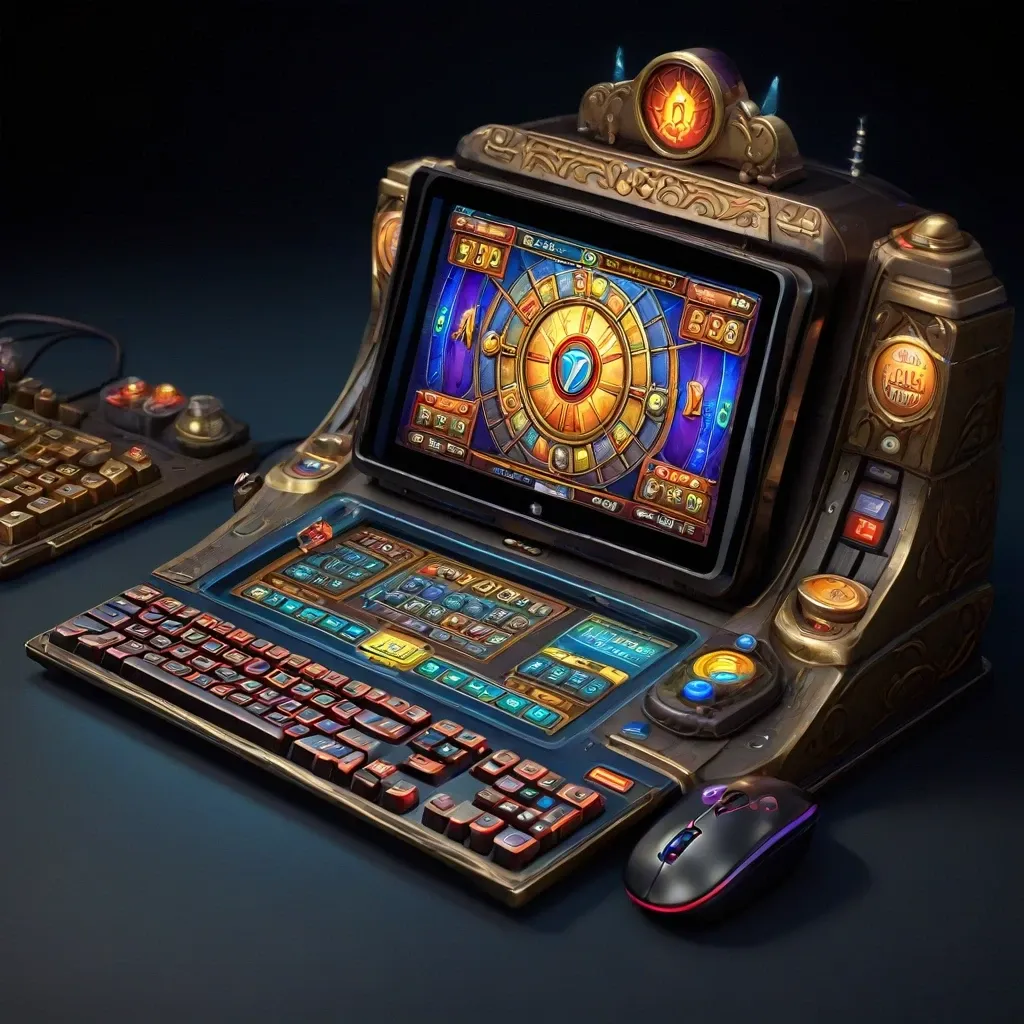
The Future Outlook: Innovations on the Horizon
The gaming world is on the cusp of some truly revolutionary changes, all thanks to the relentless march of technology. We’re not just talking about incremental upgrades; we’re talking about shifts that could fundamentally alter how we experience games, blurring the lines between mobile and desktop platforms even further.
One of the biggest game-changers is undoubtedly the rise of cloud gaming. Imagine playing the latest AAA titles, the kind that would typically require a high-end gaming PC or console, directly on your smartphone. That’s the promise of cloud gaming, and it’s rapidly becoming a reality. Paired with the increasing availability of 5G networks, which offer ultra-fast speeds and low latency, mobile devices are now capable of delivering console-quality gaming experiences on the go. This means no more being tethered to your desk or TV; your entire game library can travel with you, accessible anytime, anywhere.
But it’s not just about connectivity; advancements in mobile hardware are also playing a crucial role. Mobile processors are becoming increasingly powerful, rivaling the capabilities of some entry-level gaming PCs. We’re also seeing improvements in display technology, with higher refresh rates and resolutions becoming standard on flagship smartphones. And let’s not forget about the potential of virtual reality (VR) and augmented reality (AR). While still in their early stages, these technologies could eventually transform mobile gaming into a truly immersive and interactive experience, blurring the lines between the digital and physical worlds in ways we can only begin to imagine.
Summary and Verdict: Making the Right Choice
The realm of online slots offers a diverse landscape, accessible through both mobile and desktop platforms. While both offer the thrill of the spin, they cater to distinct preferences and lifestyles. Desktop slots shine with their immersive graphics, expansive screens, and comfortable, extended gameplay sessions. They are ideal for players seeking a dedicated and focused gaming experience, free from distractions, in the comfort of their home.
Mobile slots, on the other hand, champion convenience and flexibility. The ability to play on the go, during commutes, or in short breaks, makes them a perfect fit for busy individuals. While the smaller screen might slightly diminish the visual impact, the accessibility and instant gratification are undeniable advantages. Ultimately, the “better” choice boils down to individual priorities. Do you value immersive visuals and dedicated gaming sessions, or do you prioritize accessibility and on-the-go entertainment?
There’s no definitive winner; both mobile and desktop slots offer unique advantages. The ideal choice depends entirely on individual preferences, gaming habits, and lifestyle. Some players may prefer the immersive experience of desktop slots for leisurely evenings, while others may opt for the convenience of mobile slots during their daily commute. The beauty of the current online gaming landscape lies in the freedom to choose, allowing players to tailor their experience to fit their needs.
Now that you are equipped with the knowledge to make an informed decision, we encourage you to explore both mobile and desktop slots and discover which platform best suits your gaming style. Share your experiences and preferences in the comments below – your insights can help fellow players navigate this exciting world of online slots. Let us know whether you are team desktop or team mobile.
Recommendations for Further Research
Delving deeper into the world of online slots can enhance your gaming experience and ensure responsible play. To explore reputable online casinos, it’s advisable to consult independent review sites that evaluate platforms based on their game selection, security measures, and customer service. For those keen on understanding the legal framework surrounding online gaming, researching the regulations in your specific jurisdiction is crucial. This information is usuallyavailable on official government websites or gaming authority pages.
Choosing the right device can also be a matter of research. Consider factors such as screen size, processing power, and battery life when selecting a smartphone or tablet for mobile slots. For desktop gaming, explore monitors with good resolution and refresh rates to enhance visual clarity and reduce eye strain.